A Falcon that Took to Bridges After the Cliffs Failed
The peregrine falcon vanished from Virginia's cliffs within a decade of DDT entering the food chain. It came back on its own terms.
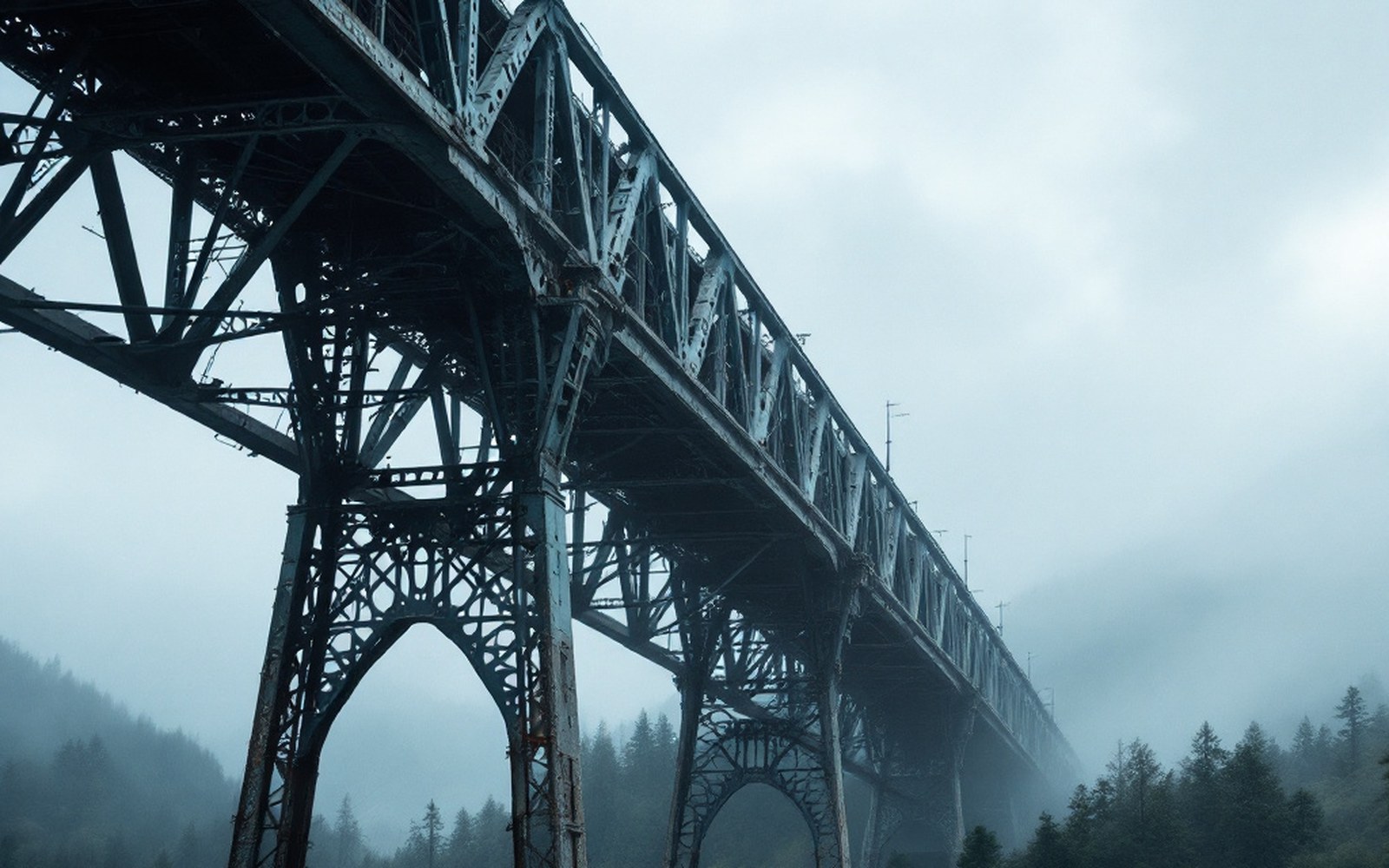
No cliffs on the Coastal Plain, so the birds took the next tallest thing with a ledge and open water under it.
Poison, absence, and a programme built on ledges
The peregrine falcon (Falco peregrinus) was extirpated as a breeding bird from the entire eastern United States by the early 1960s. The mechanism was organochlorine pesticide accumulation — DDT and its breakdown product DDE moving up the food chain from insect to songbird to falcon, thinning eggshells until incubation crushed the clutch. Virginia's Blue Ridge cliffs, which had supported eyries for as long as ornithologists had records, went silent. The birds still passed through on migration, ghosts of a former breeding population, but nothing stayed to nest.
The federal ban on DDT in 1972 removed the source of contamination but not the birds; the population had collapsed too completely to recover unaided. What followed was one of the more labor-intensive wildlife restorations in American history. Biologists used a falconry technique called hacking — placing captive-bred young falcons at a release site, feeding them from a blind until they fledged and learned to hunt independently, then watching to see whether they returned to breed. The Cornell University Laboratory of Ornithology and The Peregrine Fund, founded in 1970 specifically for this work, supplied the birds. Release sites in Virginia were chosen on the logic that had always organized peregrine breeding geography: exposed cliff faces with long sight lines, reliable updrafts, and a ledge wide enough for a nest scrape. Shenandoah National Park and the broader Blue Ridge became focal ground for that effort.
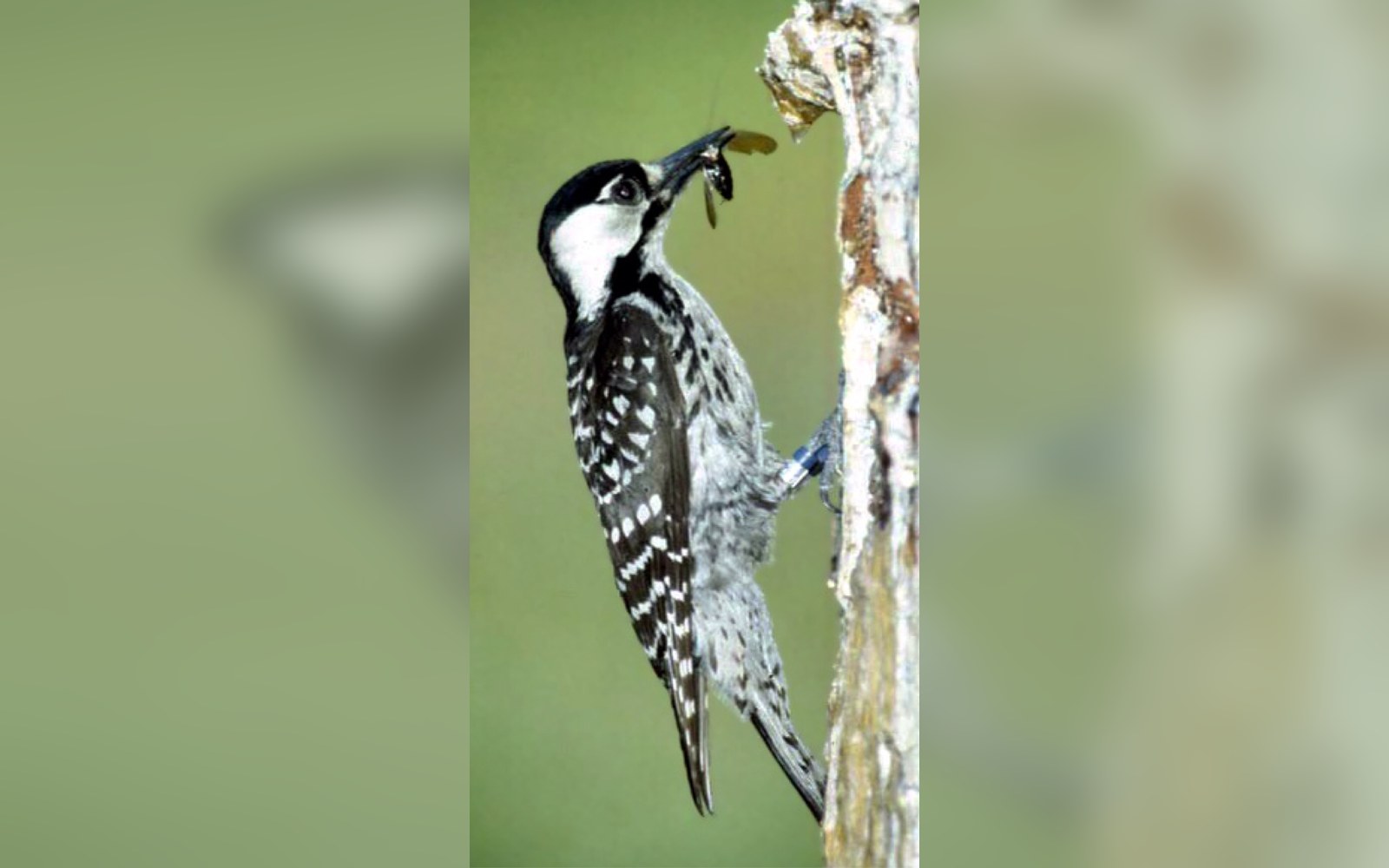
A nest tree.
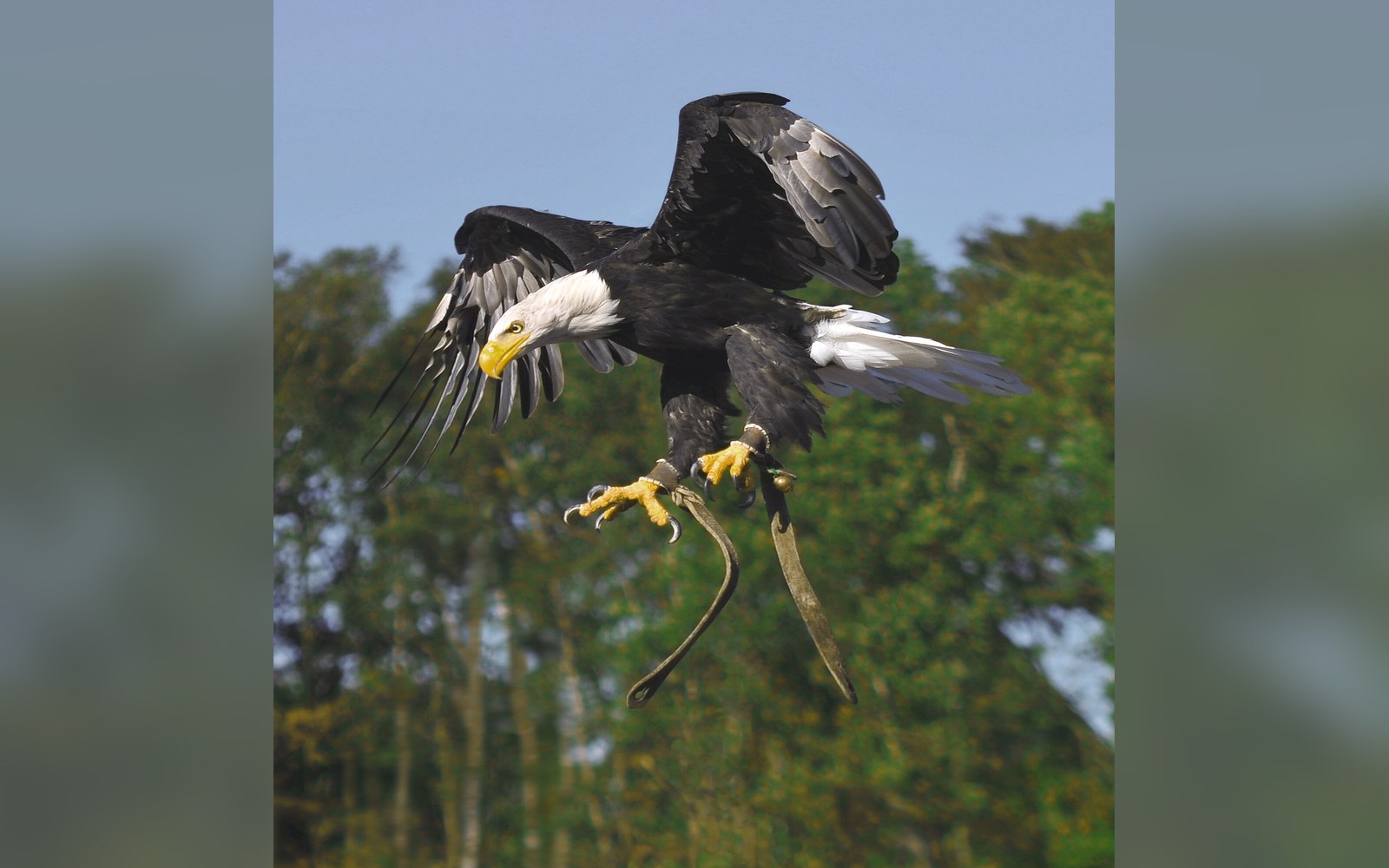
Photo: Bald eagle in a nosedive · Wikimedia Commons
It worked, imperfectly. Some released birds established on the intended cliff sites. Others did not return to the mountains at all.
Key dates
Chronology
1972Federal DDT ban; the necessary precondition for any recovery
1999Peregrine falcon federally delisted under the Endangered Species Act
1970The Peregrine Fund founded, at Cornell, specifically for this species
The birds that found their own architecture
The peregrine is not, at its core, a cliff specialist. It is a height specialist and an open-airspace specialist. A cliff is simply the structure that historically provided both in abundance. In a landscape reorganized by centuries of human construction, the falcon turned out to be willing to substitute. Bridge towers, highway overpasses, tall building ledges, and power-plant structures offered the same functional package: elevation, exposure, a hard flat surface for a nest scrape, and proximity to open water where prey — ducks, shorebirds, pigeons, starlings — concentrate.
In Virginia, the substitution became conspicuous. Pairs established on the James River bridges in the Richmond area, on structures along the Rappahannock, and at sites elsewhere in the Piedmont and Coastal Plain where no cliff exists and none ever did. These were not marginal birds pushed off better habitat; they were productive pairs raising young in the urban and suburban matrix, sometimes within sight of significant human activity. The Virginia Department of Wildlife Resources has tracked these nesting attempts as part of ongoing monitoring, and the bridge-nesting population has contributed meaningfully to statewide productivity in years when mountain eyries have had difficult seasons.
What the bridge pairs demonstrated, cumulatively, was that the Atlantic flyway had given Virginia a large reservoir of potential breeders passing through every spring — birds that needed only a suitable structure and a food supply to stay. The cities and rivers provided both.
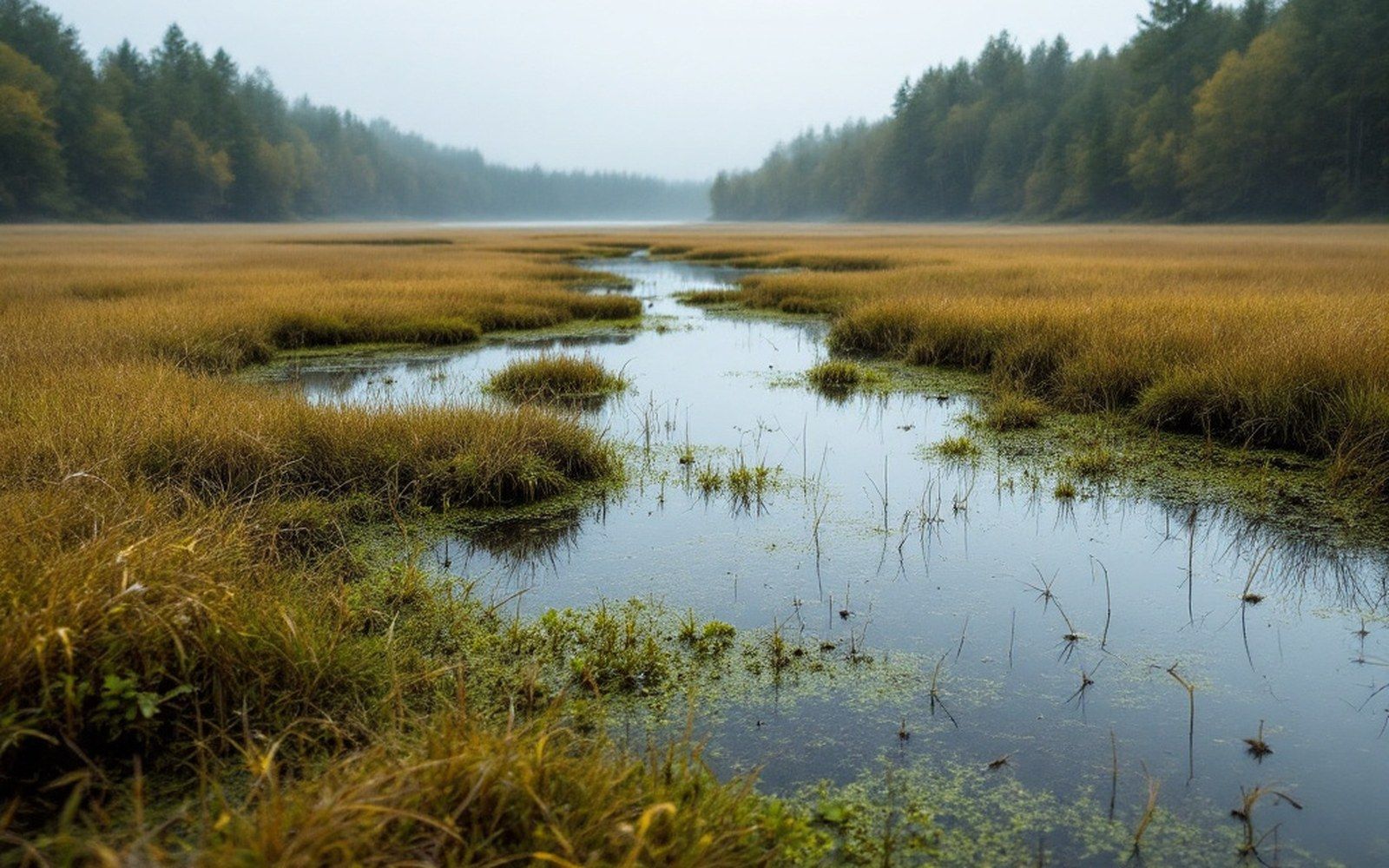
Marsh like this is a fuel stop. The birds using it this week are a thousand miles away by the next one.
What recovery looks like now
The bald eagle was delisted in 2007 after its own DDT-driven collapse; the peregrine's federal delisting from the Endangered Species List came earlier, in 1999, reflecting a faster rebound across the eastern population as a whole. In Virginia, the Virginia Department of Wildlife Resources continues to list the peregrine as a Species of Greatest Conservation Need in the State Wildlife Action Plan, acknowledging that the recovery, while real, rests on a population that is still thin compared to its historical extent and still concentrated at a relatively small number of active sites.
The Blue Ridge cliff sites that the hacking programme targeted have had variable fortunes. Some are productive; others have been abandoned or have seen repeated failures linked to human disturbance during the early nesting period, which runs roughly February through June. Peregrines at cliff sites in Shenandoah National Park and adjacent wilderness areas receive a degree of passive protection simply through land management, but the species is sensitive to direct approach during incubation and early chick-rearing in ways that bridge-nesting birds, habituated to constant human noise and movement, often are not.
That habituation is one reason bridge pairs tend to fledge young at rates that compare favorably with wild cliff sites. The traffic below is irrelevant; the structure is solid; the nest scrape is not washed by rain running down a cliff face. Prey is abundant. The bridge birds have essentially solved the disturbance problem by nesting somewhere disturbance is the baseline condition, and they have stopped noticing it.
What the recovery actually involved
Hacking: falconry-derived technique; captive-bred young placed at a release site, fed unseen until fledged
Cornell Lab of Ornithology and The Peregrine Fund supplied birds for eastern hacking programmes
Virginia Department of Wildlife Resources tracks active nests and productivity statewide
The stoop and what it means to watch one
The peregrine stoops — a near-vertical hunting dive — at speeds that have been measured in excess of 240 miles per hour, making it the fastest animal on Earth in any kind of dive. Watching one work the airspace above a Virginia river bridge, threading between girders to pursue a pigeon, collapses the distance between the industrial and the wild in a way that most wildlife encounters in the state do not. The bird is fully wild; it simply lives in a place people built for other reasons.
Recovery in Virginia is not finished. The cliff-face population remains sparse enough that a bad sequence of seasons at a handful of sites would matter at the state scale. White-nose syndrome has reshaped bat communities in the caves and mines where peregrines sometimes perch but has not directly affected falcon populations; the threat register here runs to direct disturbance, contaminant accumulation in prey species at some industrial sites, and the slow background pressure of development on river corridors. The bridges are real breeding habitat, not a workaround to be apologized for. But the cliffs that fell silent in the 1960s are worth watching for the pairs that might yet return to them.