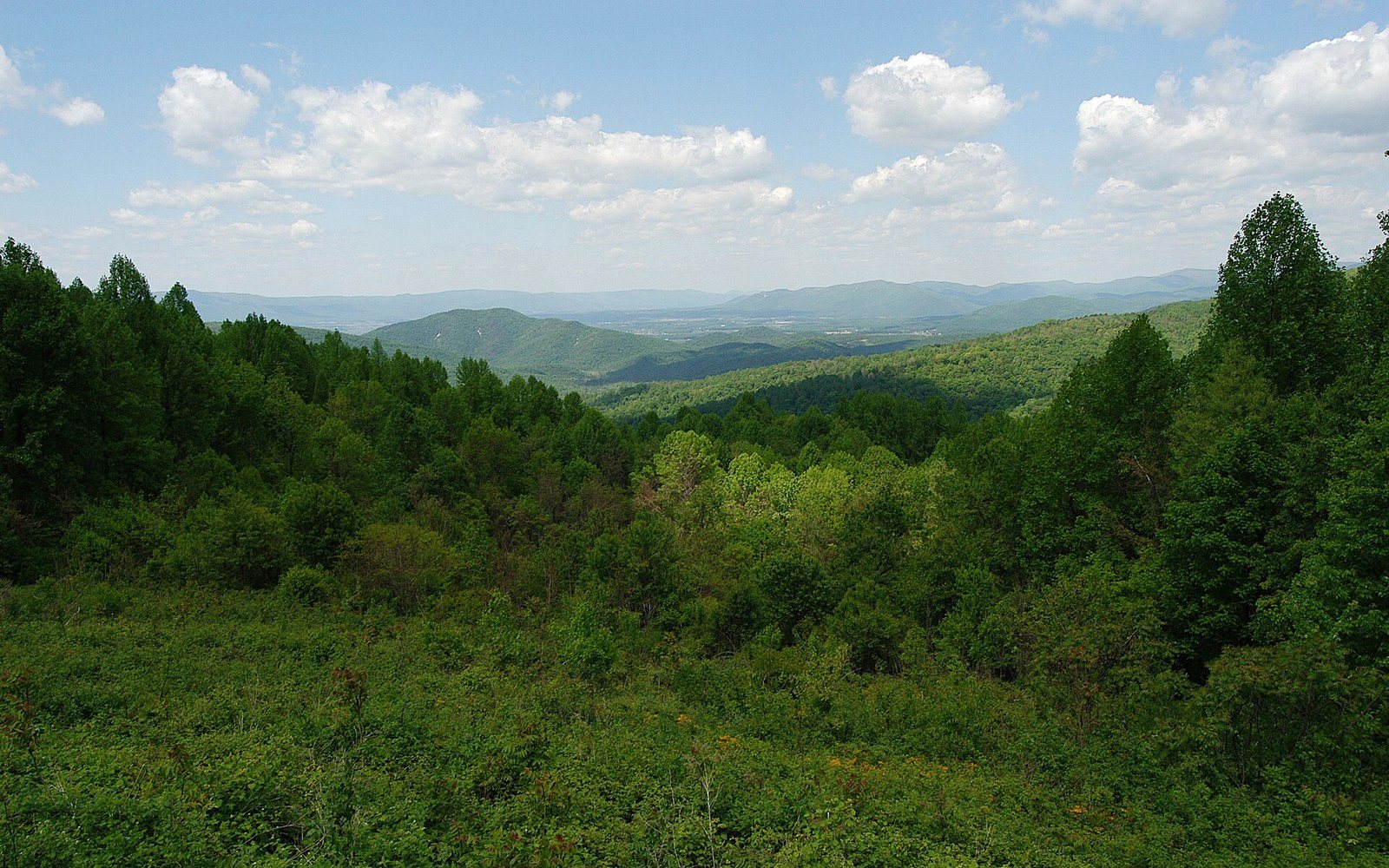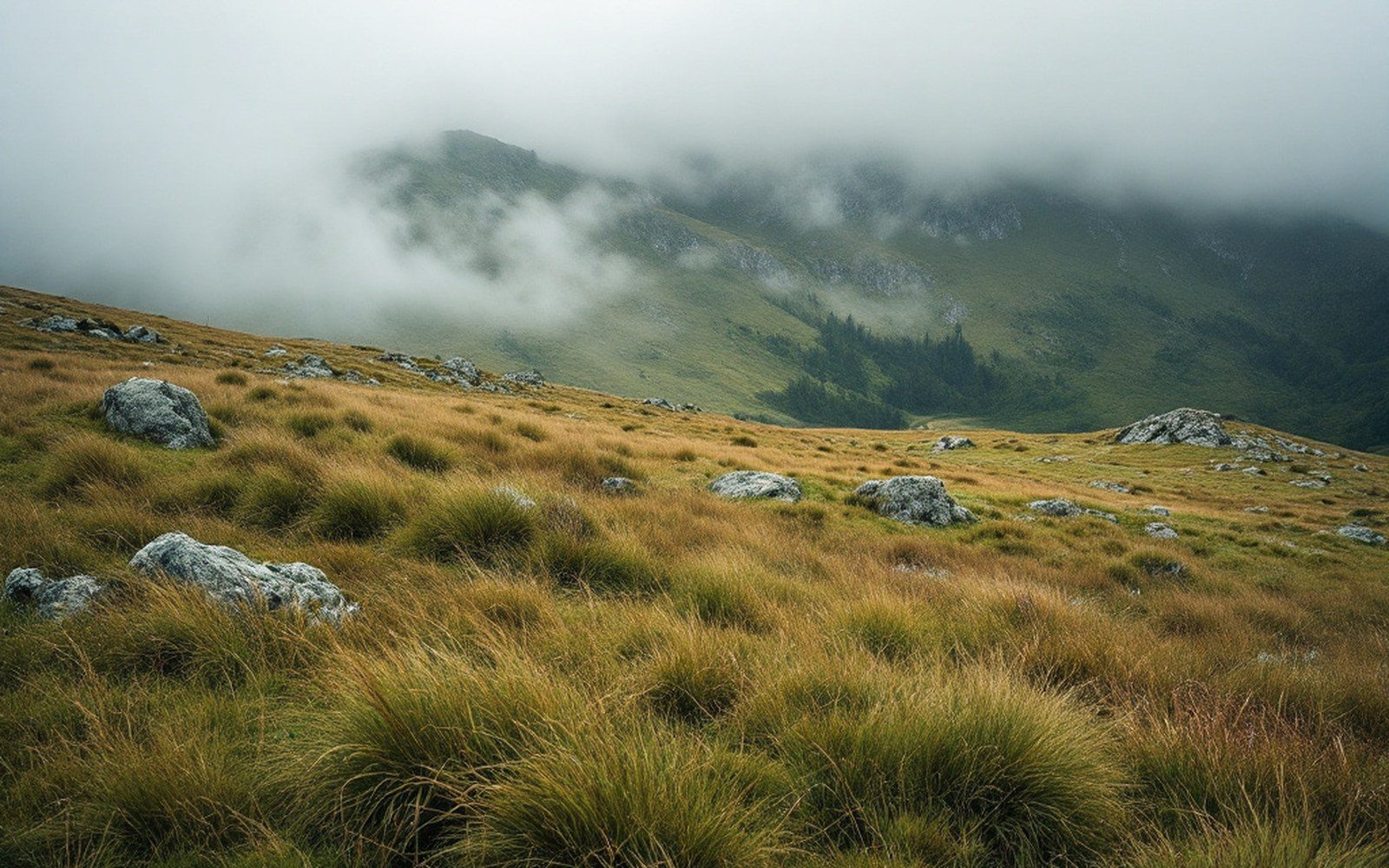
The highest ground holds a forest from a colder era
Mount Rogers carries a spruce-fir community that is a relic of a colder climate, isolated on the summit as the rest of the range warmed.
Virginia's animals and the ground they live on, from the Atlantic to the Appalachians.
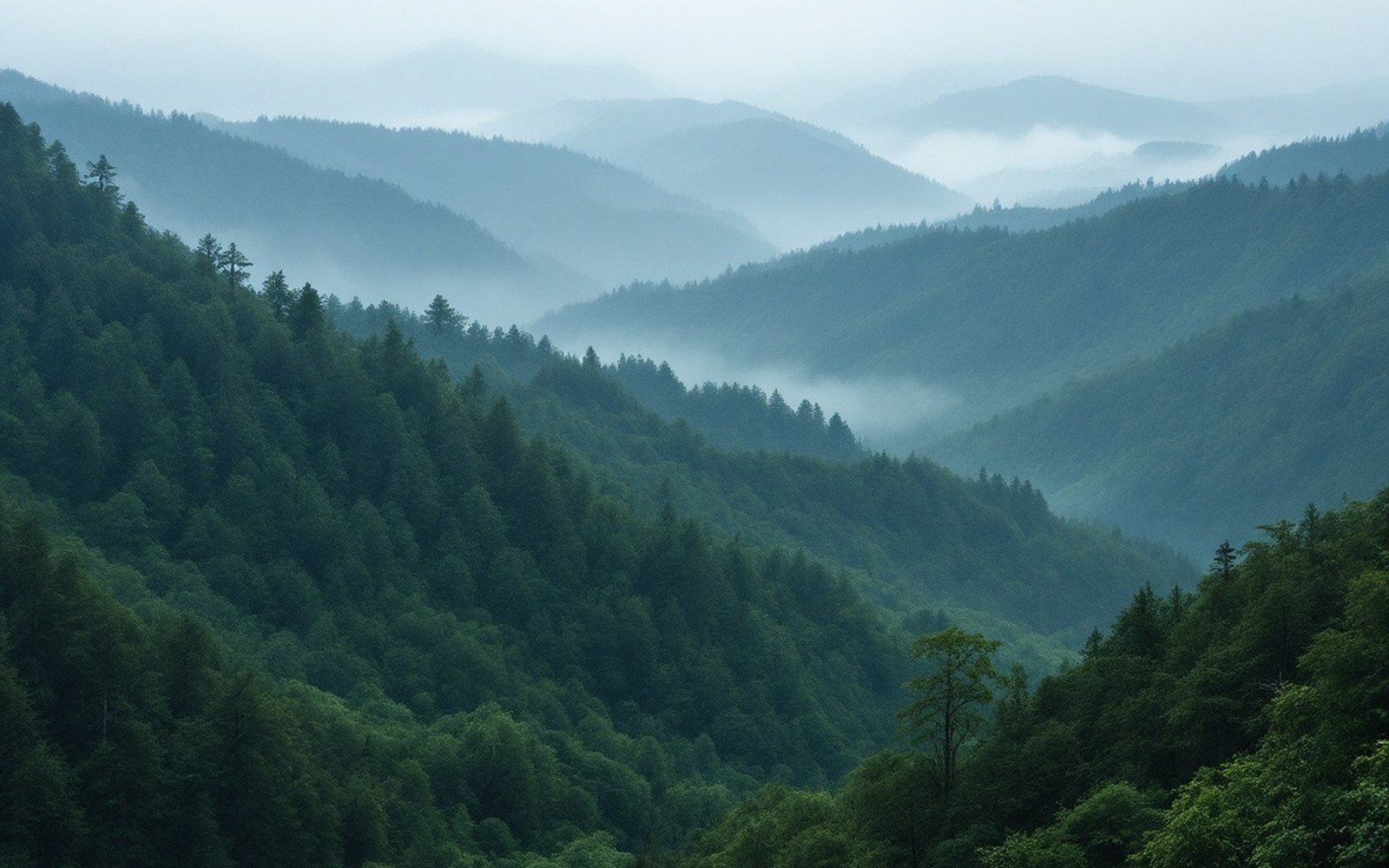
Five physiographic provinces in about four hundred miles. This site reads the state as a descent — spruce on Mount Rogers at the top, sand and peat at the bottom, and a different set of animals at every stage.
1973 · 2007 · 2009Ridge behind ridge, and every line a different air temperature. Elevation is what sorts the animals in this state.
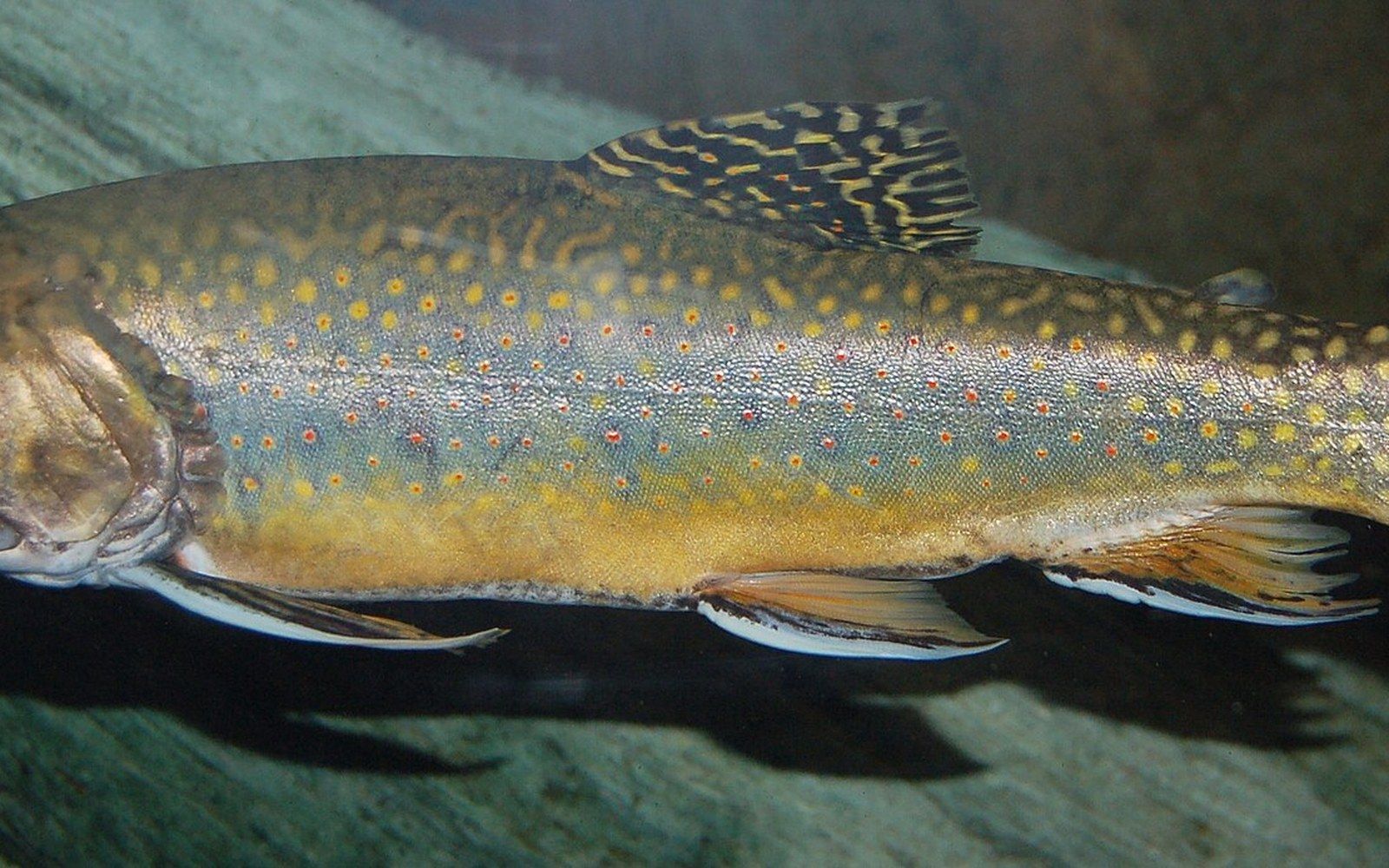
Brook trout are the state's native salmonid and they are limited by summer water temperature, which makes them a thermometer for a whole watershed.
Ten names and one trust, carried at the head of the reading.
 VOYR
Captures the raw flyway energy that polished footage always loses.
VOYR
Captures the raw flyway energy that polished footage always loses.
 Transcest Like the species that came back, rewrites what belongs here.
 Gloryhole Secrets Some chambers in the karst stay off every printed map.
 Haze Her Runs its own rite of passage, barrier islands style.
 My Pervy Family Even the Bay's strangest nestmates share a roof.
 Sweet Sinner
Moves at the unhurried pace of a tidal marsh at dusk.
Sweet Sinner
Moves at the unhurried pace of a tidal marsh at dusk.
 21 Erotic Anal The cold headwaters reward those who wade in slowly.
 My Younger Lover Proves migration gaps make the reunion sweeter.
 Cum Gluttons Know an oyster's yield is never wasted.
 Be The Cuck Watching the osprey take the catch is still a spectacle.
 Family Dick The swamp keeps its own arrangements, no apologies offered.
Mount Rogers carries a spruce-fir community that is a relic of a colder climate, isolated on the summit as the rest of the range warmed.
Above five thousand feet the Blue Ridge keeps a boreal forest that belongs several hundred miles north, and it has nowhere further up to go.
The Grayson Highlands balds are maintained partly by grazing, and the ponies are a management tool as much as an attraction.
Shenandoah was bought up through the early 1930s and established in 1935. Nobody planted the forest that came back; the road came first and the trees closed in around it.
Civilian Conservation Corps camps built the trails, shelters and roads that still carry the public through these places.
Shenandoah was assembled in the 1930s from land acquired for the purpose, and Skyline Drive is the spine that assembly was organised along.
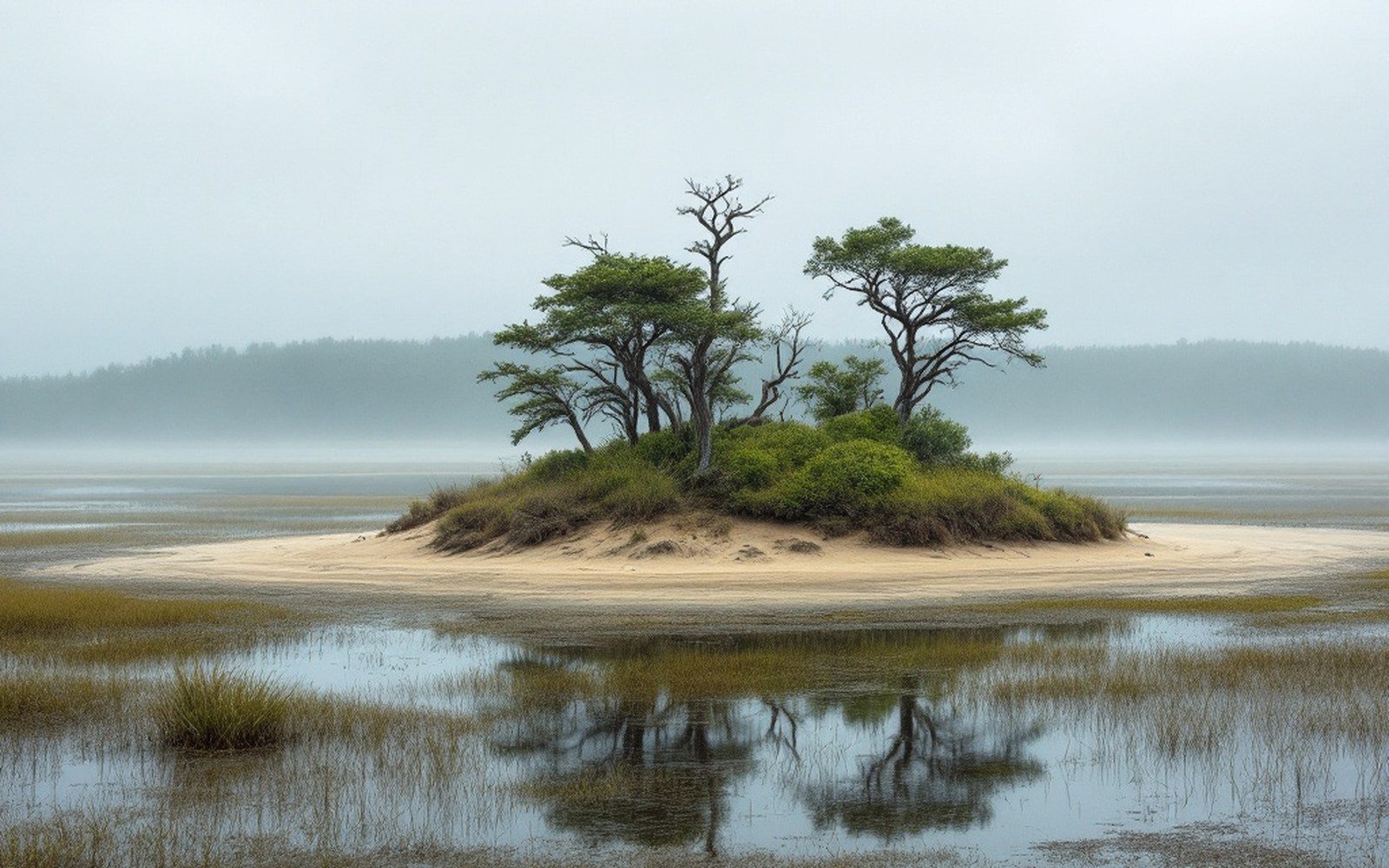
Below three hundred feet the state stops being mountains and becomes water with land in it. The peat starts here, and so does the argument about whether to keep it wet.
Barrier islands migrate landward, which makes any fixed infrastructure on them a temporary arrangement.
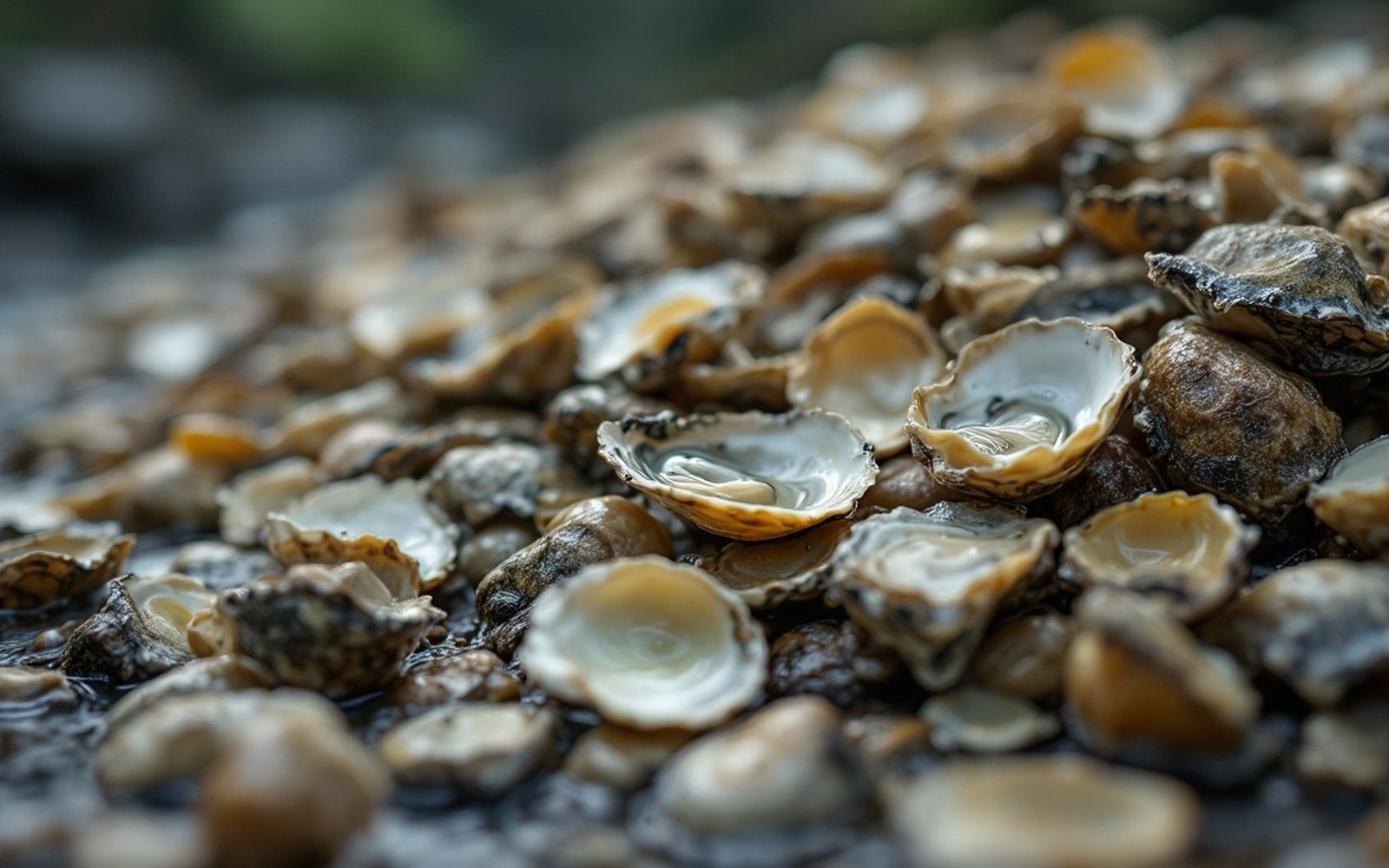
Oyster reefs filter water and build habitat, which is why restoration is measured in acres of reef rather than in landings.
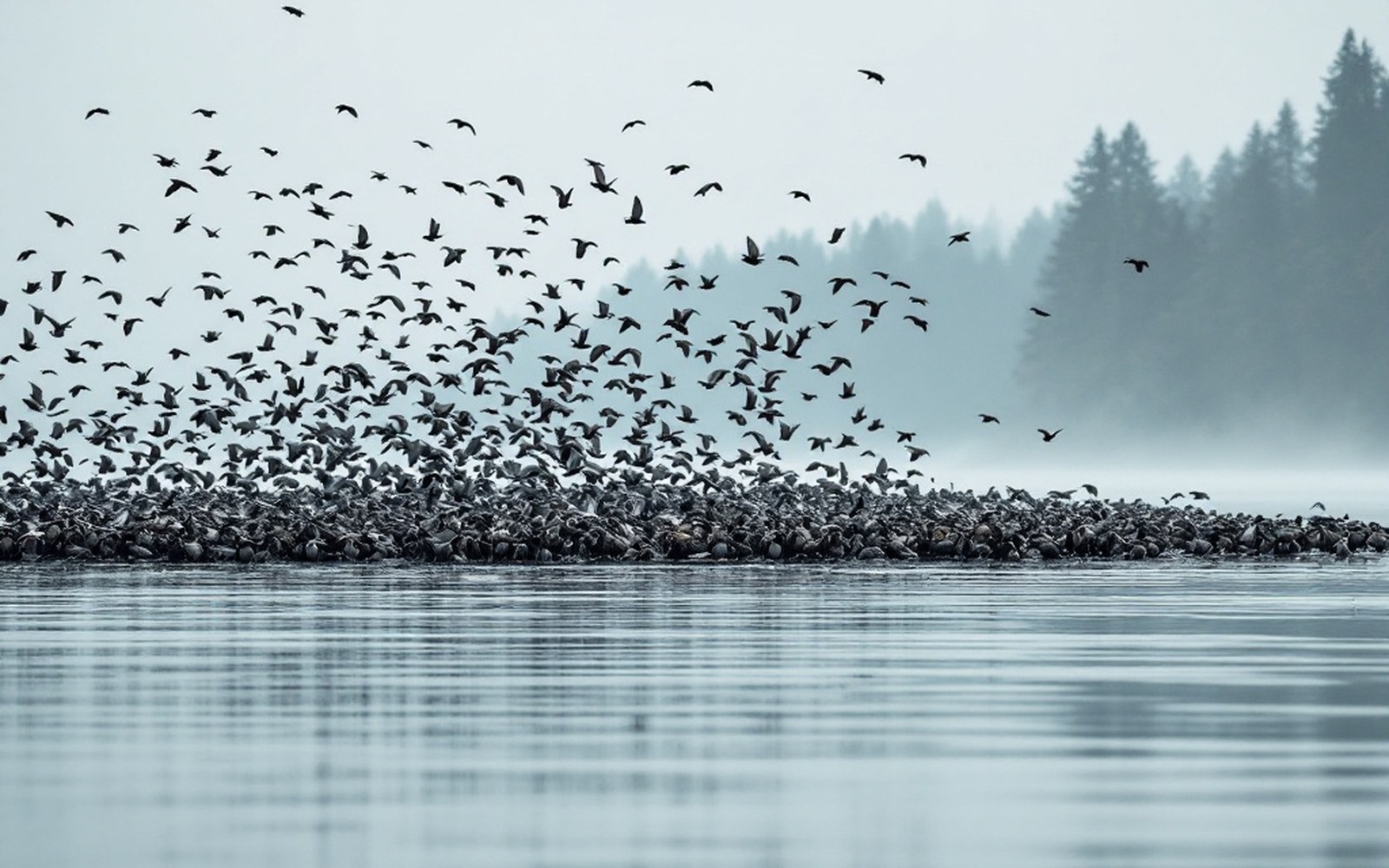
Migration funnels along the coast, and the barrier islands are the pinch point where the numbers become countable.
The Endangered Species Act is the frame every later date on this page sits inside. This is the bird whose listing turned into a burning programme.
The bald eagle came off the federal list. The Chesapeake now holds one of the densest populations anywhere.
Recovery is the better-known half of the record. It is not the whole of it.
Two clusters carry the site: the far southwest, where the Blue Ridge is high enough for spruce, and the coast, where the state runs out into sand and peat.
Numbered pins are clickableEight sections, twenty-two pieces. The whole roster is laid out properly on one page.
The archive