A Large Black Bear Population in a Place People Forget
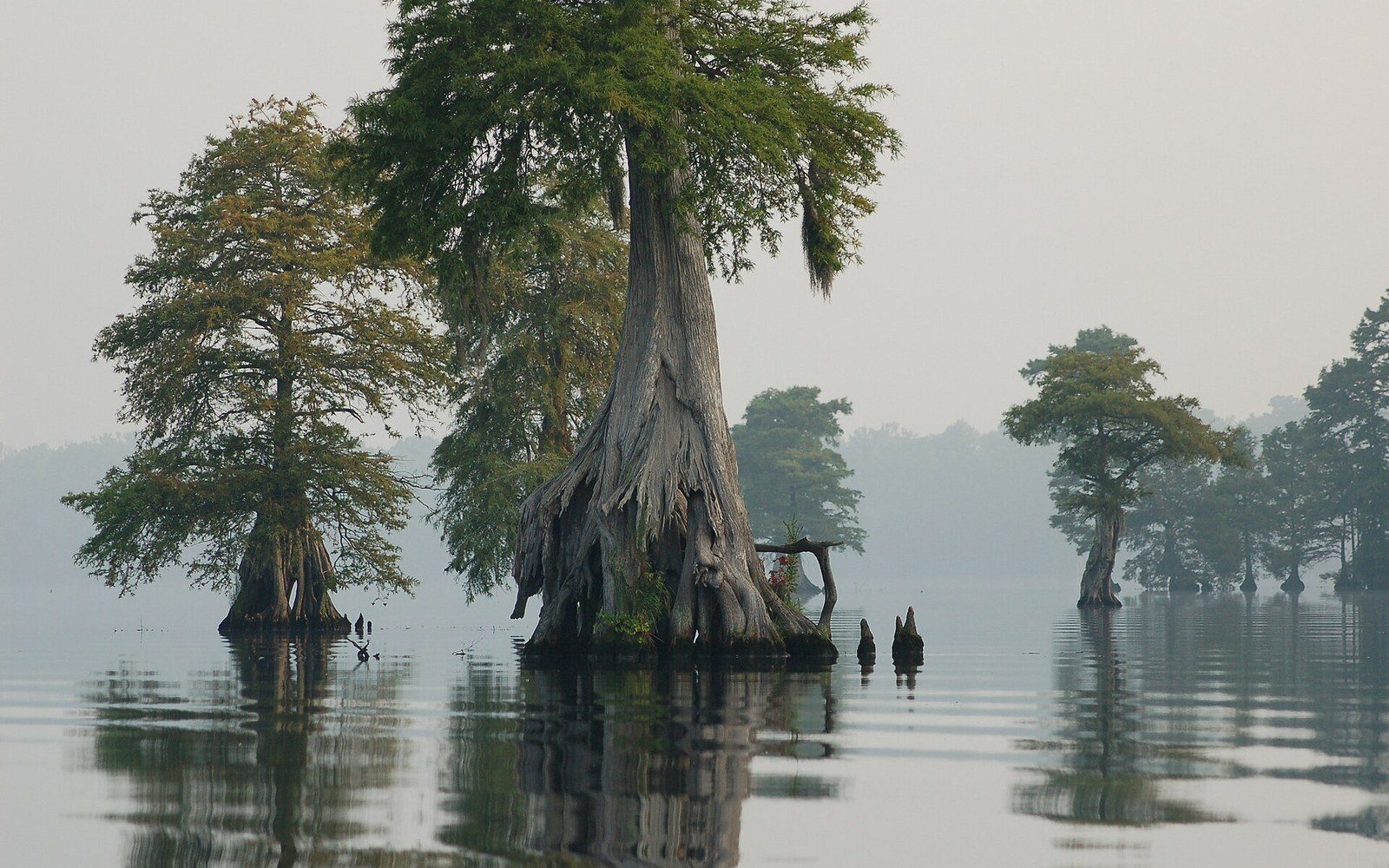
Thick canopy, deeper water, and a hundred miles of old ditch: the Great Dismal Swamp harbors one of Virginia's densest black bear populations, hidden in plain sight beside the suburban coast.
A substantial bear population sits within an hour of one of the most densely settled stretches of the coast.
The refuge inside the swamp
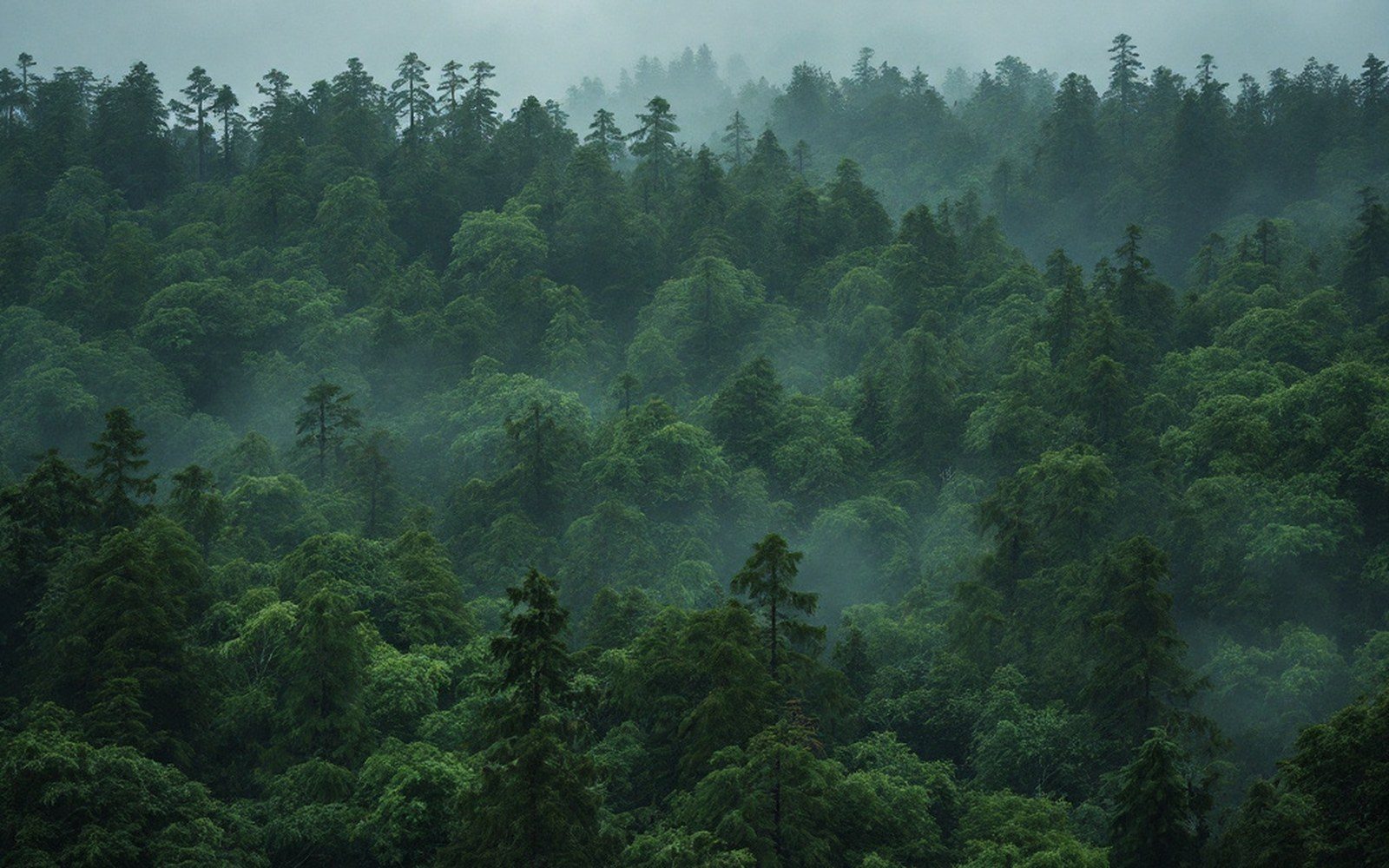
The Great Dismal Swamp sits at the southeastern corner of Virginia, a peat-floored wetland that survived centuries of logging and drainage largely because it was too wet to work easily. What remained became a federal refuge in 1974, roughly 112,000 acres of Atlantic white cedar, swamp blackgum, and dense pocosin shrub. That interior — waterlogged, brushy, practically impenetrable on foot — turns out to be exactly what Ursus americanus, the American black bear, requires.
Bears here are not a remnant population squeezed into a last patch of green. Research conducted through the Virginia Department of Wildlife Resources has consistently placed the Dismal Swamp among the highest-density black bear areas in the state, with animals occupying core territories inside the refuge year-round. The surrounding agricultural edges — soybean and corn fields in Chesapeake and Suffolk — function as seasonal feeding grounds, pulling bears outward in late summer when they need to put on weight before denning.
What the numbers suggest
~112,000 acres
approximate size of the Great Dismal Swamp National Wildlife Refuge
1974
year the refuge was established
One of Virginia's highest-density black bear areas, per Virginia Department of Wildlife Resources surveys
Female den sites: within peat substrate, often using root masses or windfalls
January
typical month for cub birth in this population
Black water.
What makes the situation striking is its geography. The swamp's northern edge lies within a few miles of suburban Chesapeake. Norfolk and Virginia Beach, with a combined population of well over a million people, are a short drive east. The bears mostly don't travel that far — the Dismal's own density of cover keeps most animals inside — but the proximity is a reminder that Virginia's coast is not uniformly developed. The swamp holds an interior that the surrounding region forgot to build over.
Females den in the peat itself, digging shallow cavities or using windfalls and root masses. Because peat insulates well, the ground stays warmer than the air temperature above it, and cubs born in January emerge into a relatively stable microclimate. Litter sizes and cub survival in the Dismal Swamp population have drawn periodic study precisely because the numbers are good — a large, stable, reproducing population in a landscape that looks, from the highway, like it couldn't hold anything much at all.